
The „New Work“ megatrend is like a secret ingredient that has become established in the world of work over the years. Much like in the kitchen, where innovative combinations of flavors revolutionize the taste of a dish, New Work has brought about a creative transformation in the way we work. If you look at successful companies like Telekom, Zalando, Spotify, as well as VW, Daimler, and BMW, you’ll see that they’ve already successfully transitioned parts of their operations to New Work, and the results are undeniable: productivity, innovation, and employee satisfaction have all been positively impacted.
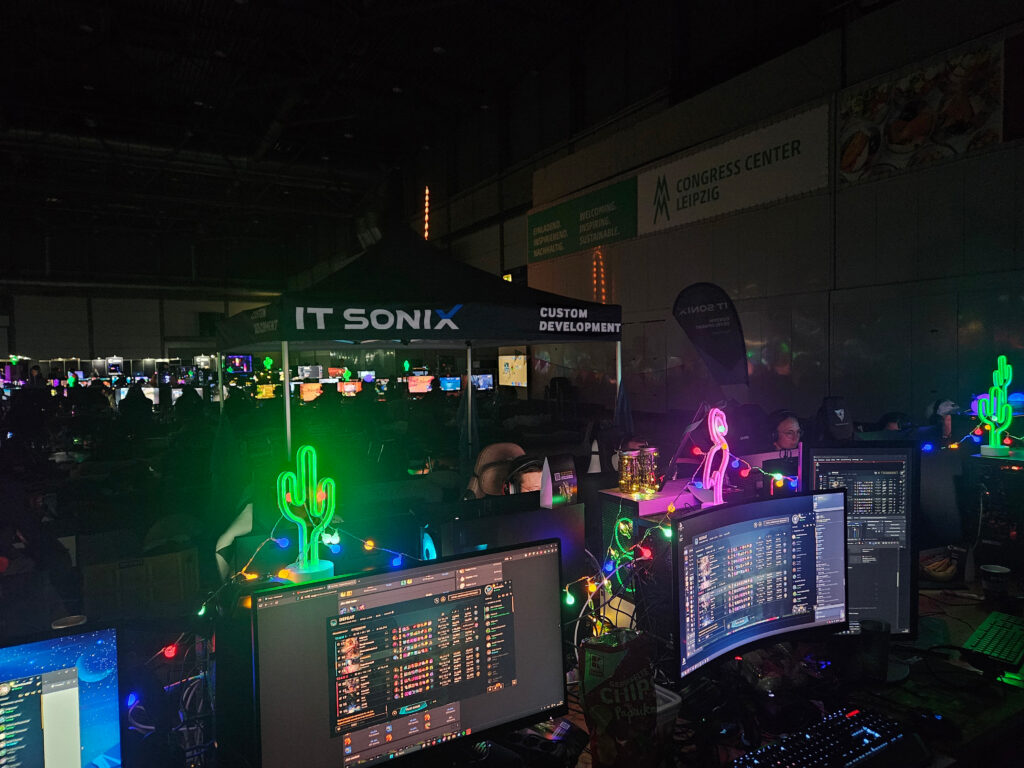
In today’s workplace, change is an inescapable constant. Thanks to digitalization, globalization, and demographic shifts, the world of work is in a state of constant flux. Rather than letting these challenges deter us, we focus on the needs of our Xperts. The lines between work and personal life are blurring, which is why our employees need the freedom to shape their own workspace and work schedule so they can feel as comfortable as possible. As a result, private offices are transforming into flexible workspaces that foster creativity and collaboration. In the New Work era, traditional office structures are shifting toward open-plan layouts and coworking environments. This not only allows employees to choose where they work but also fosters spontaneous interaction and the exchange of ideas.
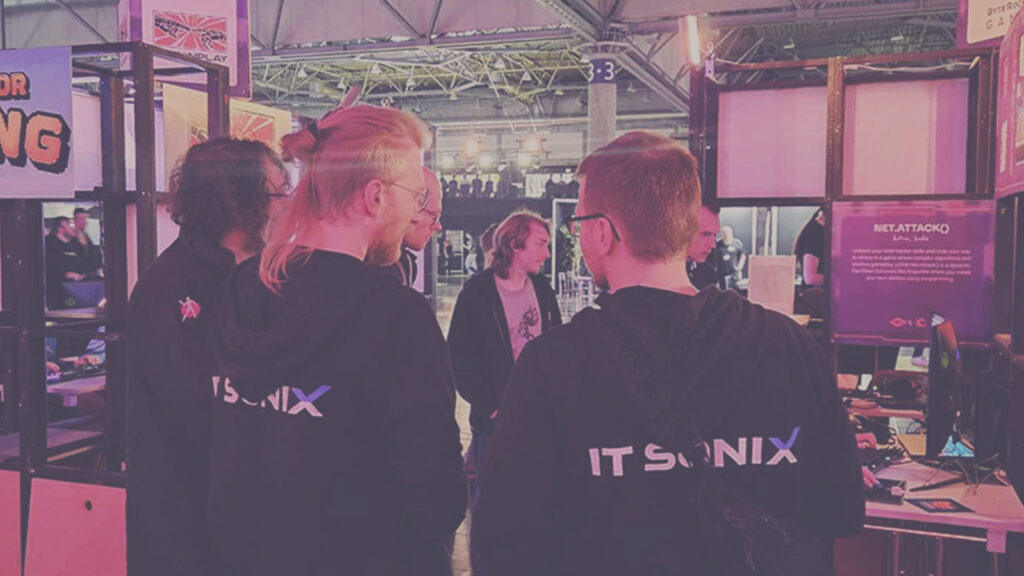
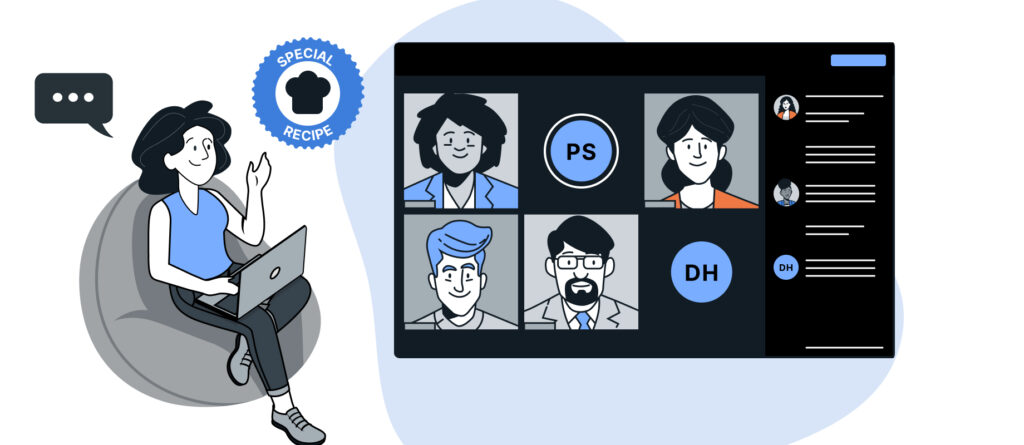
Other essential elements include a blend of collaboration and networking. Instead of relying on rigid hierarchies, we build on cooperation and connection. Teams increasingly work together on a project-by-project basis, regardless of traditional departmental boundaries, to respond more quickly and effectively to changing conditions. Through transparent communication, our Xperts create an open and creative work environment. Everyday life is not defined by the mechanical fulfillment of assigned tasks, but rather by appreciation and a sense of purpose. New Work places great emphasis on the personal development and satisfaction of employees. It’s not just about carrying out tasks, but also about finding meaning in one’s own work. Employee participation in decision-making processes contributes to this as well. Democratic structures and participatory approaches foster employees’ commitment and sense of identification with their company. This shared decision-making helps ensure that work is experienced as meaningful and fulfilling. Likewise, lifelong learning is gaining importance, and continuous professional development to expand one’s skills is encouraged.
Finally, technology is essential—just like the right kitchen appliance that makes food preparation easier. Technological innovations play a crucial role in implementing New Work. Digital tools, platforms, and AI enable flexible collaboration, provide access to information from anywhere, and support creative exchange in virtual spaces.
Perspectives
New Work opens up new horizons and promises a work environment that not only meets the demands of our time but also offers space for creativity, personal growth, and meaningful work. Given rapid technological advances and the growing importance of flexible work models, promising prospects for New Work are emerging. The future of work will be shaped by a continuous convergence of innovation, individualization, and digital solutions. New ways of working not only enable higher productivity but also promote employee satisfaction and engagement. The focus on personal development, creative freedom, and work-life balance will lead to a more agile and resilient work environment. Companies that successfully implement these principles will not only attract talented professionals but also strengthen their competitiveness in the long term, thereby paving the way for a promising future of New Work.
Are you already working with that innovative "secret ingredient" called New Work? What has your experience been like, and what other tips can you share?
Please feel free to share it with us LinkedIn Join us and let's start a conversation!