






User Experience as a Full-Service Offering
Users expect software to be efficient, intuitive, and appealing. That is why our usability consultants and user interface designers are integrated into our software development processes from the very beginning. They support our developers with their extensive expertise in user experience design.
An Overview of Our Services
Our UX Expertise
User Experience Design is a user-centered design process. Using an iterative and incremental approach, we identify requirements, develop design ideas, and continuously refine them in collaboration with colleagues from software development and IT consulting, as well as with you and your users. Key cornerstones of this process include:
- Requirements Gathering
- Conceptualization and Design of Human-Computer Interactions and User Interfaces
- All aspects of the visual design of user interfaces
- Usability reviews by experts and usability tests with users
- Corporate Identity Development, Including Print Materials
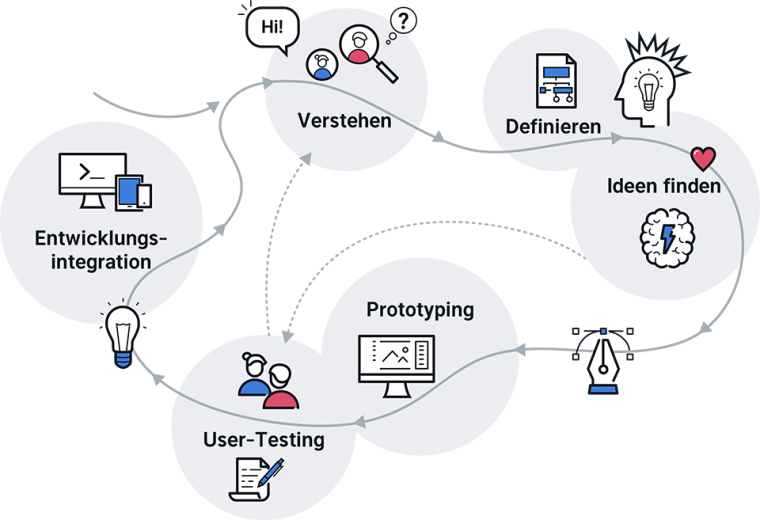
Our Methodological Approach to Your UXD
01
Understand
In the first phase, we identify the requirements for the application to be developed. To do this, we describe the characteristics of the users and the usage context, and translate this information into personas: models of user groups that exhibit specific characteristics and usage behaviors. Based on these personas, all stakeholders gain a concrete picture of the otherwise abstract „user,“ and specific usage scenarios can be described.
02
Define & Brainstorm
Using the deliverables from the previous phase, we develop use cases, workflows, information architecture, and interaction design. These form the foundation for the visual implementation. To this end, we establish the structure and layout of the information, create icons, and define the visual style and color scheme for your software.
03
Prototyping & User Testing
We use the insights and ideas we’ve gathered to create prototypes. Sketches, wireframes (digital sketches), and specifications help us in this process. Regular user testing and feedback loops ensure that the final product is perfectly tailored to your needs.
04
Development Integration
The successfully validated concepts are integrated into the development process. Through an iterative approach, the software's usability is continuously improved.
Current Topics
Success Story
MAN Cloud Platform for Fleet Management
We developed MAN's cloud-based RIO platform and MAN DigitalServices, an open ecosystem that digitally connects fleet management, dispatching, and driver training…
Blog Post
ZAP – The Security Tool Put to the Test by Experts
White Paper
Energy Systems: Off-the-Shelf Software vs. Custom Solutions
We'll show you where SAP's standard solutions are sufficient, and where customized solutions are the better fit for the energy transition….
Success Story
AI-Based Maintenance System for Energy Storage Systems
A neural network, trained on real-world data from more than 75,000 energy storage systems, identifies devices in the field that require maintenance before they fail. The project also included the handover of infrastructure to SENEC.
Success Story
Billing Engine for Complex Energy Contracts
A custom billing engine that fully automates invoicing for highly specialized energy contracts, from the middleware through Powercloud to the final PDF invoice, in production since 2020.
White Paper
Fleet Management Software: Off-the-Shelf Software vs. Custom Solutions
Where standard fleet management solutions reach their limits: A customized data integration layer typically pays for itself in 2–3 years and reduces downtime, maintenance, and leasing costs….
White Paper
Digital Readiness Check for Fleet Operators: “How Data- and AI-Ready Is Your Fleet?”
We classify digital maturity along three dimensions – system compatibility, cost efficiency, and the proportion of standard and custom solutions….
Innovative Real-Time Software Platform (IoT) for the Energy Storage Systems of Tomorrow
Real-time software platforms for the energy storage systems of tomorrow: Over the years, SENEC has developed five core areas – ranging from the storage platform to billing and the partner portal.
World Usability Day, or WUD for short, is a global conference that brings together usability professionals as well as representatives from industry, education, and public institutions under a common goal: to ensure that the services and products we use every day are more accessible and easier to use.
Since 2005, it has always taken place on the second Thursday in November. The WUD now includes around 200 events in more than 40 countries, all held simultaneously and free of charge.
In 2017, we brought the WUD to Leipzig as well, and we have been organizing it regularly ever since. In recent years, 200 participants have been able to learn about and discuss topics related to usability and user experience through presentations and workshops.
Meet Our UXD Team
We are a well-coordinated team that complements one another to get the most out of your product through excellent usability. We work efficiently and always tailor our processes to the needs of our users. We combine experience and expertise.
Our Portfolio in User Experience Design
Market-leading applications—across all industries. Whether it’s carsharing, fleet management, billing, or e-charging, we offer user experience design tailored to all customer needs—forward-thinking and sustainable.
- Support for front-end development through UI design and concept development
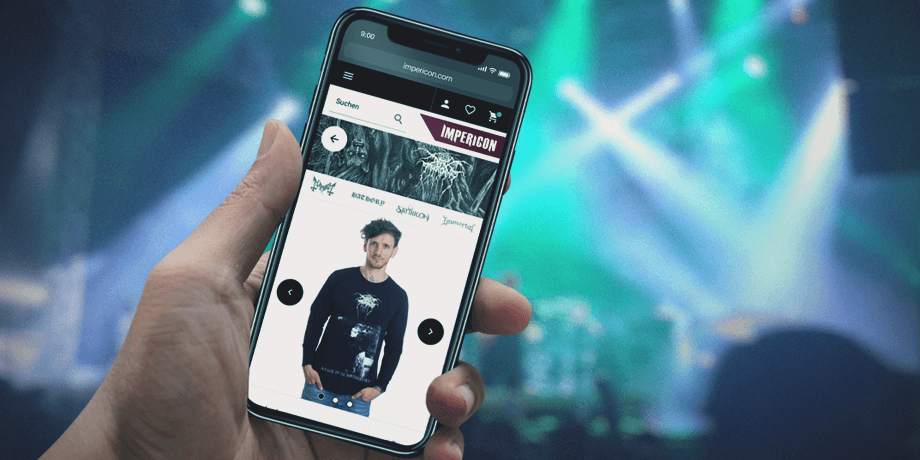
- Implementation of the Vue Storefront Progressive Web App
- Responsive Design
- Mobile First
- Progressive Web App
- Custom Software Development, User Experience Design
- Usability Design
- Mobile First
- Data Security
- Creation of the product website
- App Store Management
- Product Management Responsibilities
- Agile Coaching, Custom Software Development, User Experience Design
- Usability
- Continuous Deployment
- Open Source Software
- Microservices
- Responsive Design
- Agile Coaching, Custom Software Development, IT Consulting, User Experience Design
- Automotive & Telematics
- Native App Quality as a Competitive Advantage in the Car-Sharing Market
- Cloud-native scalability without infrastructure overhead
- Automated Identification Procedures and Billing
- Hardware-based test infrastructure for real-world telematics conditions
- Custom Software Development, User Experience Design
- Industrial Software
- User Design
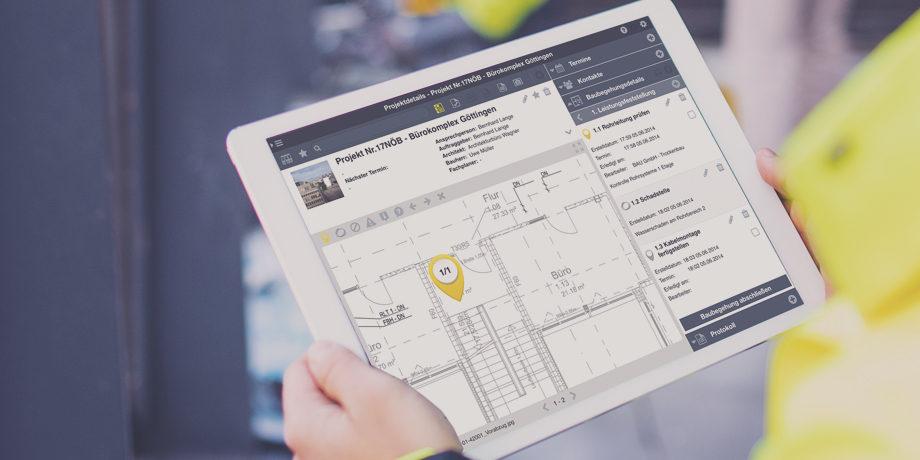
- User Interfaces for Industrial Machinery
- HMI System
- Design Thinking in Industry
- User Testing
- Clarity, intuitive operation, and clear error diagnosis
- User Experience Design
- Automotive & Telematics
- Fleetboard by Daimler Trucks
- Project Management and Software Development
- cross-platform solution for truck telematics
- Fleetboard Cockpit, Fleetboard App, and UI
- Migration of the legacy system to an innovative cloud solution (Fleetboard Portal)
- Custom Software Development, IT Consulting, User Experience Design
Your Questions, Our Answers:
What does UX design mean in the context of custom software development?
UX design, short for user experience design, refers to the process of designing software from the perspective of its future users. A customized software solution is not just about having a modern interface; it’s also about ensuring that employees can complete their tasks easily, quickly, and with minimal errors.
To achieve this, we analyze workflows, roles, information needs, and typical usage scenarios. This results in intuitive user flows, clear interfaces, and features that align with the actual process—rather than the other way around. User-centered design puts people’s requirements and needs at the center and translates them in a structured way into product and software development.
Why is UX design important for custom software?
Good UX design increases user acceptance of a particular software application and helps to digitize complex processes in a way that is easy to understand. Especially with complex specialized applications—such as those for energy, government, logistics, or internal business processes—usability determines whether a software application is actually used efficiently in day-to-day work.
A well-thought-out UX concept can help:
To shorten the onboarding period for new employees.
To reduce sources of error in recurring work processes.
To make information easier to find.
To identify media breaks and unnecessary process steps.
To improve acceptance among different user groups.
Usability encompasses, in particular, learnability, efficiency, error prevention or error correction, and user satisfaction.
How does UX design work in a custom software project?
Ideally, UX design is integrated into custom software development from the very beginning. Instead of designing a user interface only after the technical implementation is complete, we develop requirements, workflows, and interaction concepts in collaboration with the relevant departments and future users.
A typical UX process includes:
Analysis of target groups, roles, and existing work processes.
Workshops, interviews, or requirements workshops with stakeholders and users.
Development of user journeys, user flows, and a well-designed information architecture.
Creation of wireframes, click-through mockups, or interactive prototypes.
Usability testing and iterative optimization before and during development.
Handoff of the UX and UI concepts to the technical implementation team.
Prototypes can be tested with realistic tasks at an early stage. This makes it possible to identify ambiguities and areas for improvement before they become entrenched in the development process.
Can we improve existing software and processes with UX design?
Yes. UX design isn’t just useful for new custom software, but also for existing applications, portals, and internal tools. A UX audit identifies where users lose time during the process, can’t find features, make input errors, or have to use external tools.
For example, we analyze:
Navigation Structures and Information Architecture.
Recurring process steps and manual handoffs.
Forms, data entry screens, and approval processes.
User roles, permission models, and custom dashboards.
Mobile Use, Accessibility, and Technical Requirements.
Requirements for a phased modernization rather than a complete overhaul.
An expert review evaluates an interface based on established usability principles and provides prioritized, actionable recommendations for improvement. In addition, usability tests with participants from the relevant user groups reveal which tasks present real usability challenges.
Get Started on Your Project
Sebastian Wetzel
We understand that every project is unique. Our experts look forward to speaking with you to find customized solutions.
