
Cold, snow, ice, and darkness make biking in the winter challenging. Nevertheless, many IT Sonix experts make a conscious decision to bike to work even during the cold season. To the Winter Bike-to-Work Day We spoke with three employees who commute by bike year-round. They share stories from their daily lives, offer insights into how they prepare, and explain what really matters when it comes to winter cycling.
Cycling in Winter: Interview with Martin (Scrum Master)
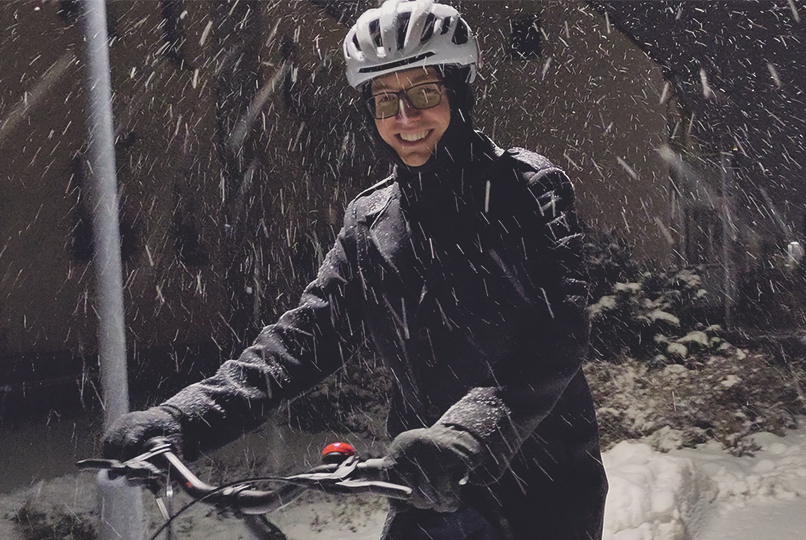
„Proper preparation makes all the difference.“
From what time to what time do you commute by bike?
I actually commute all year round. It’s just under ten kilometers there and back. I keep it up even in winter, even when it’s much harsher than in previous years. Sure, it pushes me to my limits sometimes, but that doesn’t stop me from biking to work.
How do you get your bike ready for winter?
For me, preparation is everything. I want to be able to ride even when there’s about ten centimeters of snow on the ground and the temperature is below freezing. That’s why I use winter tires that are still rideable even at very low pressure and have a deep tread. Fenders are a must for me—in winter, of course, but really even in summer. The right clothing is also particularly important: a good rain jacket that also protects against the wind, thick winter gloves, warm boots, and a scarf or shawl under the helmet. It simply makes a huge difference whether you arrive at the office frozen to the bone or reasonably relaxed.
Are there any circumstances under which you wouldn't drive?
When there's black ice everywhere, I draw the line. That happened to me once this winter. Otherwise, I drive in rain and snow.
What advice do you give to others?
Seeing and being seen is essential. Good lighting isn't just necessary so you can see where you're going, but also so that other road users can see you. You should also be honest with yourself and decide under what weather conditions you're still willing to ride—and under which you're not.
Winter Cycling with Experience: An Interview with Thomas (Software Developer)
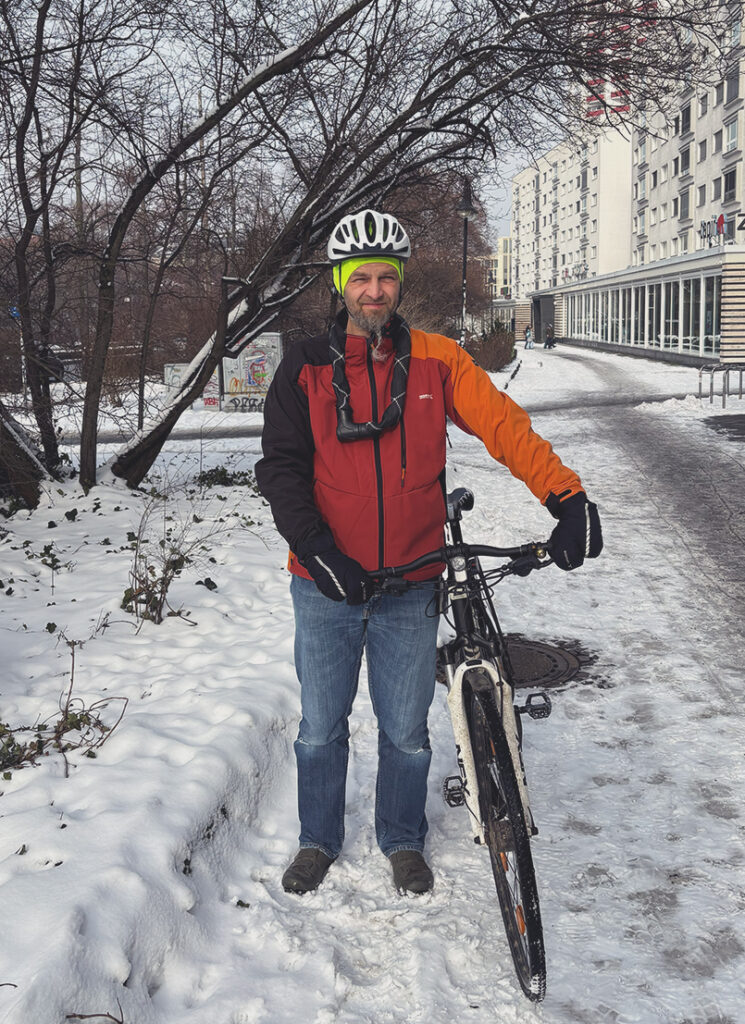
„Technology and lighting are crucial in winter“
You're on the road all year round—what does your winter setup look like?
In the winter, I ride with studded tires, hydraulic disc brakes, and a hub dynamo with a parking light. Especially in snow and ice, the brakes need to respond immediately. Good lighting is one of the most important considerations for me—with high light output and a wide field of view. I don’t use battery-powered lights because they quickly reach their limits in winter.
What role does clothing play in your life?
They have to be comfortable and it’s okay if they get dirty. I have several pairs of gloves for different temperatures, and when it rains, I often ride wearing a poncho, rain pants, and shoe covers. I avoid backpacks and use bike panniers instead, since otherwise you end up sweating too much. My motto is: as comfortable as possible, with as little effort as possible.
What advice would you give to people who want to start in the winter?
Start slowly. Begin by riding short distances—for example, to the bakery—and get a feel for the conditions. Winter cycling is largely a matter of experience. Over time, you’ll get a pretty good sense of what’s doable and what isn’t.
Cycling Safely in Winter: An Interview with Philipp (Software Developer)
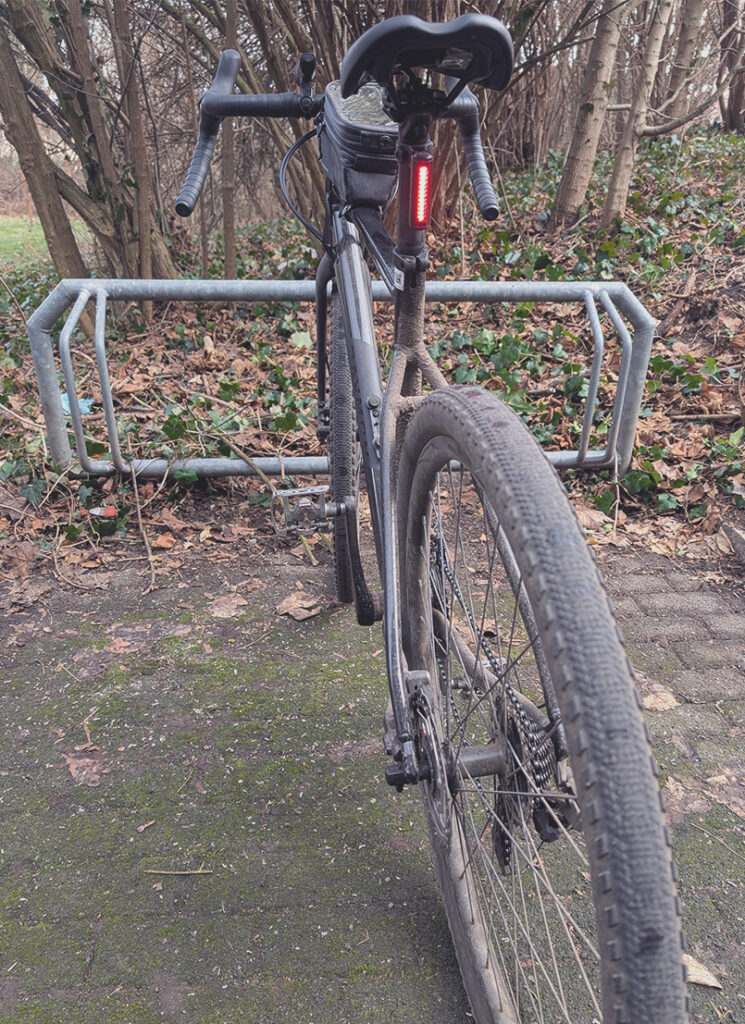
„Maintenance and attention are the most important things“
Do you ride in all kinds of winter weather?
No, I don't drive when there's black ice. Otherwise, I drive year-round, even in the snow.
How do you get your bike ready for winter?
As soon as there's snow on the ground, I put spikes on my bike. In winter, I spend significantly more time on maintenance: I clean and oil the chain regularly, use water-resistant oil, and check my disc brakes. I also check the lights frequently and always carry spare bulbs with me. Winter simply causes significantly more wear and tear than summer.
What's particularly important to you when you're driving?
Good lighting and defensive driving. On slippery surfaces, you should avoid sudden braking maneuvers. Staying alert protects not only yourself but also other road users. Reflectors are also very useful, since you’re less visible in the winter.
Why is commuting in the winter still worth it for you?
You're not tied to schedules, you stay fit, and you get to enjoy the fresh air. Plus, you save money and start your day off on an active note. And last but not least: You shouldn't miss out on the fun, even in winter.
Winter Bike-to-Work Day: Summary
The three interviews show that cycling in winter is not an exception, but a conscious choice. Proper preparation, reliable equipment, regular maintenance, and a realistic assessment of one’s own abilities are crucial for staying safe on the road even in cold, snowy, and dark conditions.
Qualities such as foresight, personal responsibility, and planning play a role not only when riding a bike, but also in day-to-day work at IT Sonix. As an employer, IT Sonix supports sustainable mobility through, among other things, JobRad as well as through internal initiatives such as Move IT, in which participants work together to accumulate kilometers traveled without motorized transportation for the benefit of the environment and health. The Winter Bike-to-Work Day shows that the bicycle is a reliable mode of transportation even during the cold season and is part of a vibrant corporate culture.